

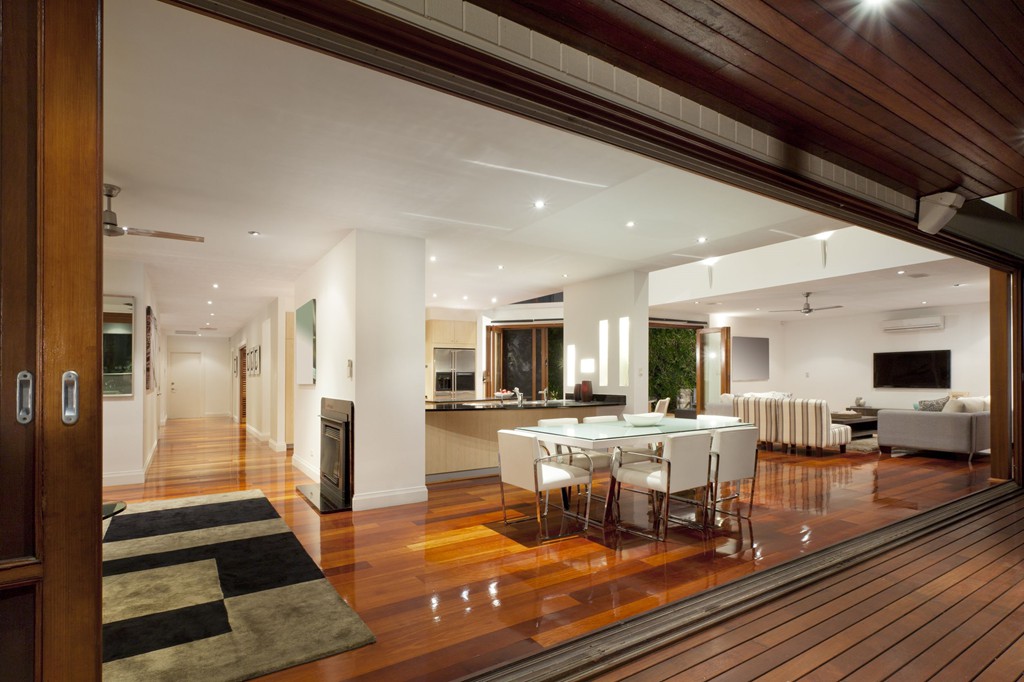
Hardwood flooring remains the gold standard of residential design, celebrated for its organic warmth, natural grain beauty, and capability to last for generations. A quality real wood floor adds immediate monetary and visual value to any property, complementing both historic architecture and contemporary interiors. However, when selecting wood flooring today, homeowners are faced with a fundamental choice between solid hardwood and engineered hardwood. Deciding which construction suits your home requires evaluating subfloor types, climate conditions, and room locations.
Solid Hardwood: Classic, Sandable, and Authentic
Solid hardwood planks are milled from a single, solid piece of natural timber, typically 3/4-inch thick. This traditional construction has proven its longevity over centuries of residential use.
Refinishing Potential: The standout advantage of solid hardwood is its ability to be sanded down and refinished multiple times over its lifespan. If your design preferences change in ten or twenty years, solid wood can be re-stained to match new color trends without needing replacement.
Best Installation Areas: Solid wood is ideal for above-grade locations, such as main-level living rooms, dining rooms, and upper-floor bedrooms. Because solid wood naturally expands and contracts in response to humidity fluctuations, it requires professional nail-down installation over a plywood subfloor.
Engineered Hardwood: Dimensional Stability for Every Level
Engineered hardwood flooring consists of a real hardwood top veneer bonded to multiple cross-ply layers of high-density wood composite. This layered design creates a dimensionally stable plank that strongly resists shifting, warping, or cupping caused by environmental changes.
Versatility Throughout the Home: Unlike solid wood, engineered hardwood can be installed on all levels of the home, including finished basements, concrete slabs, or over radiant heating systems. It offers the exact visual texture and underfoot feel of solid wood with improved resistance to moisture variations.
Plank Width Options: Because the engineered core prevents expansion, this construction allows for wider plank formats (6 to 8+ inches wide) that open up spaces visually and showcase long, continuous wood grain patterns.
Choosing the Right Wood Species and Finish
Selecting the ideal wood species sets the tone for your interior palette. Oak remains a top choice due to its prominent grain structure and excellent hardness, which easily hides everyday wear. Maple offers a cleaner, smoother grain suited for modern designs, while Hickory delivers dramatic natural color variations and exceptional dent resistance.
Pairing your species with the right finish—such as low-sheen matte polyurethanes or penetrating wire-brushed oil finishes—enhances the natural wood character while defending against scratches and foot traffic.
Since 1871, Dugan’s has helped families select home surface products built to stand the test of time. Learn more about our long-standing commitment to quality products by exploring About Us.
Bringing the enduring beauty of genuine hardwood into your living spaces begins with comparing samples in person under true lighting. Visit any of our showrooms on our Locations page to consult with our hardwood specialists and start your project today!


