

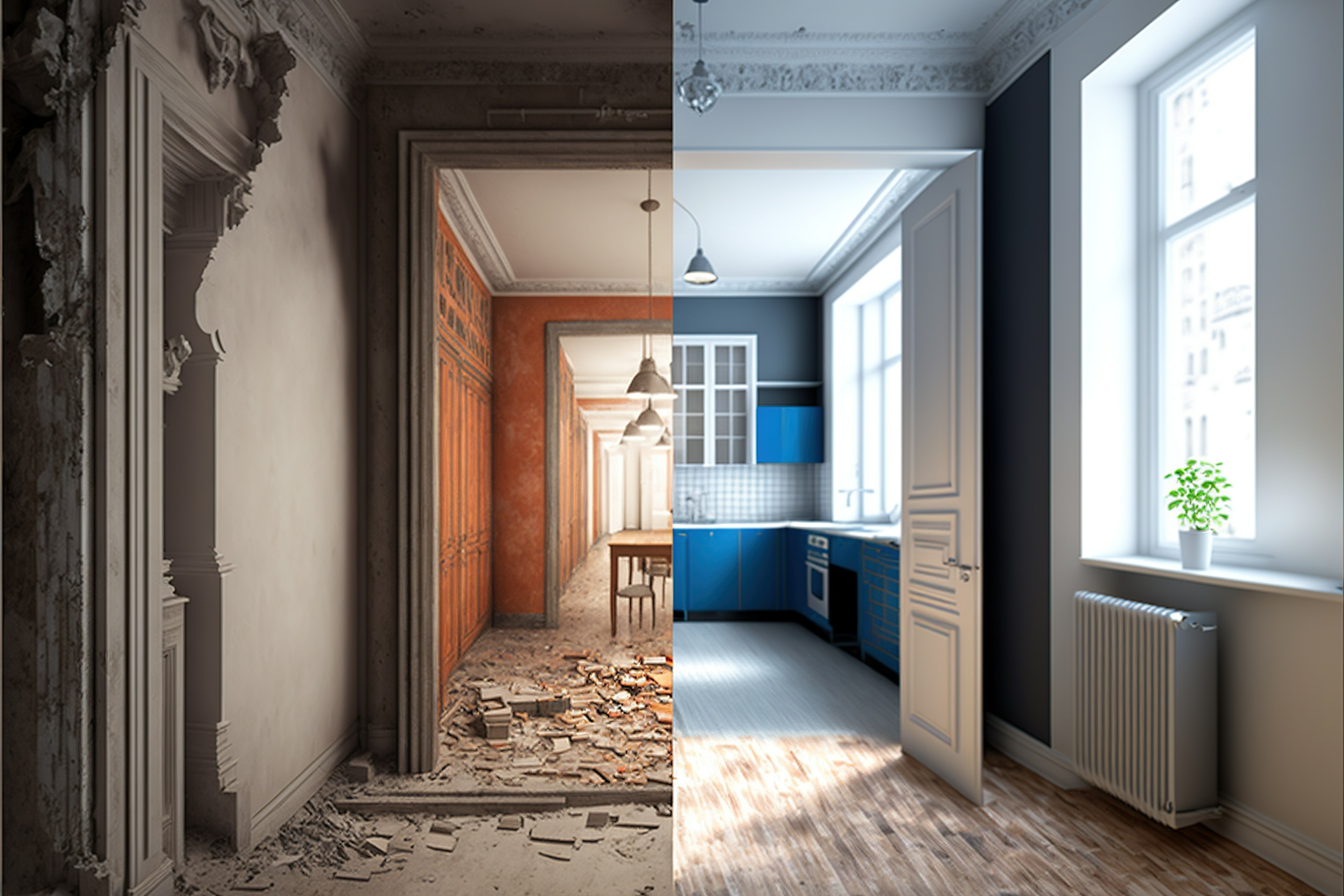
Missouri is a state defined by its deep historical roots and architectural diversity. From the stately brick Federals and ornate Victorians of Sedalia to the historic storefronts that have anchored our downtowns since the late 19th century, our local landscape tells a vivid story of craftsmanship, family legacy, and endurance. For a company like Dugan’s, which was established in 1871, we don't just see these buildings as structures; we see them as neighbors and witnesses to our own seven-generation history. However, maintaining a home that is 100 years old (or older) requires a vastly different philosophy than maintaining a modern suburban build. It requires a delicate, expert balance between modern material science and uncompromising historical authenticity.
The Challenge of Historic Substrates and Breathability
When you begin a restoration project on a historic Missouri home, you are often working with "living" materials that haven't been commercially manufactured in decades. Plaster-and-lath walls, old-growth heart pine flooring, and original hand-carved oak trim respond to the shifting Missouri humidity and temperatures much differently than modern drywall or plywood. One of the most common—and costly—mistakes modern homeowners make is applying non-breathable sealants or high-gloss synthetic paints to these historic surfaces.
In the Victorian era, when Dugan’s first began as a paint and glass shop, building materials were designed to be porous. They were meant to "breathe," allowing moisture to move through the walls. If you trap that moisture behind a modern, heavy-duty vapor barrier or an elasticized exterior paint, you risk creating a greenhouse effect within your walls. This leads to wood rot, crumbling plaster, and paint failure within just a few seasons. Our consultants emphasize the use of high-quality, breathable primers and mineral-based paints that bond chemically with older surfaces rather than just sitting on top of them like a plastic film.
Restoring vs. Replacing Hardwood: Honoring the Grain
In many Sedalia and Bolivar homes, the original hardwood floors are hidden treasures waiting to be rediscovered under layers of 1970s carpet or linoleum. These floors were often milled from "old-growth" timber—wood that grew slowly over centuries, resulting in a density and grain pattern that is simply unavailable in modern lumber yards today. Before you decide to tear out a squeaky or darkened floor, consider the value of restoration.
Sanding with Care: Historic floors can only be sanded so many times. Every pass of a drum sander removes a layer of history. We recommend a professional assessment to determine the thickness of the remaining "wear layer" above the tongue-and-groove joints. If the floor is too thin, we pivot to chemical screening and recoating to preserve the wood.
Choosing the Right Stain: To maintain a period-accurate feel, avoid the "honey" or "cherry" tones of the 1990s. Instead, look for deep, grounded tones like English Chestnut or Provincial. These shades highlight the tight, intricate grain patterns of old-growth Missouri timber.
The Finish: While high-gloss finishes became trendy in the mid-20th century, they can look artificial on a 19th-century floor. A satin or matte finish—or even a modern hard-wax oil—often looks more authentic, providing a soft glow that honors the age of the home.
Period-Accurate Paint Palettes: The Soul of the Home
Color is the most effective tool for restoring the "soul" of a historic home, but it requires research. The "white" of 1871 was very different from the bright, blue-toned whites of 2026. Historically, pigments were derived from natural minerals, earth, and plants, resulting in colors that were naturally muted, complex, and earthy.
For Exteriors: When restoring a "Painted Lady" Victorian or a Craftsman bungalow, look at the curated Historical Collections available in our showrooms. These palettes are based on architectural research into the actual lead-free pigments used in the Midwest during the late 1800s. Think of "Dusty Hay," "Deep Jasper," and "Iron Ore."
For Interiors: Deep greens, dusty roses, and rich ochres were common in formal parlors and dining rooms. These colors were designed to look rich under low-light conditions—first gaslight, then early incandescent bulbs. Using these colors today creates an atmosphere of permanence and dignity that white-washed modernism can't replicate.
The Dugan’s Legacy in Preservation and Modern Comfort
Our family has been an integral part of the Missouri business landscape for seven generations, and we have seen design trends come and go like the seasons. However, we’ve found that the value of a well-maintained historic home never fades; it only appreciates. You can read more about our 150-year journey and our deep roots in the community on our About Us page. We take immense pride in helping the current generation of homeowners preserve the meticulous work of the generations that came before them.
Fortunately, living in a historic home in 2026 doesn't mean sacrificing modern durability. We now have access to "hybrid" products—like high-performance floor finishes that replicate the look of an oil-rubbed wax but offer the scratch and water protection of a modern polyurethane. The secret lies in the selection process. We encourage you to bring samples of your original trim, a salvaged floorboard, or even a chip of old paint into our showroom. Our designers can use color-matching technology and their years of experience to find the perfect modern equivalent.
If you are ready to begin the rewarding journey of restoring a piece of Missouri history, the experts at Dugan's are here to guide you through every technical and aesthetic choice. Visit any of our location showrooms in Sedalia, Laurie, Osage Beach, or Bolivar to consult with a restoration specialist and start your project with the confidence that only 150 years of experience can provide!


