

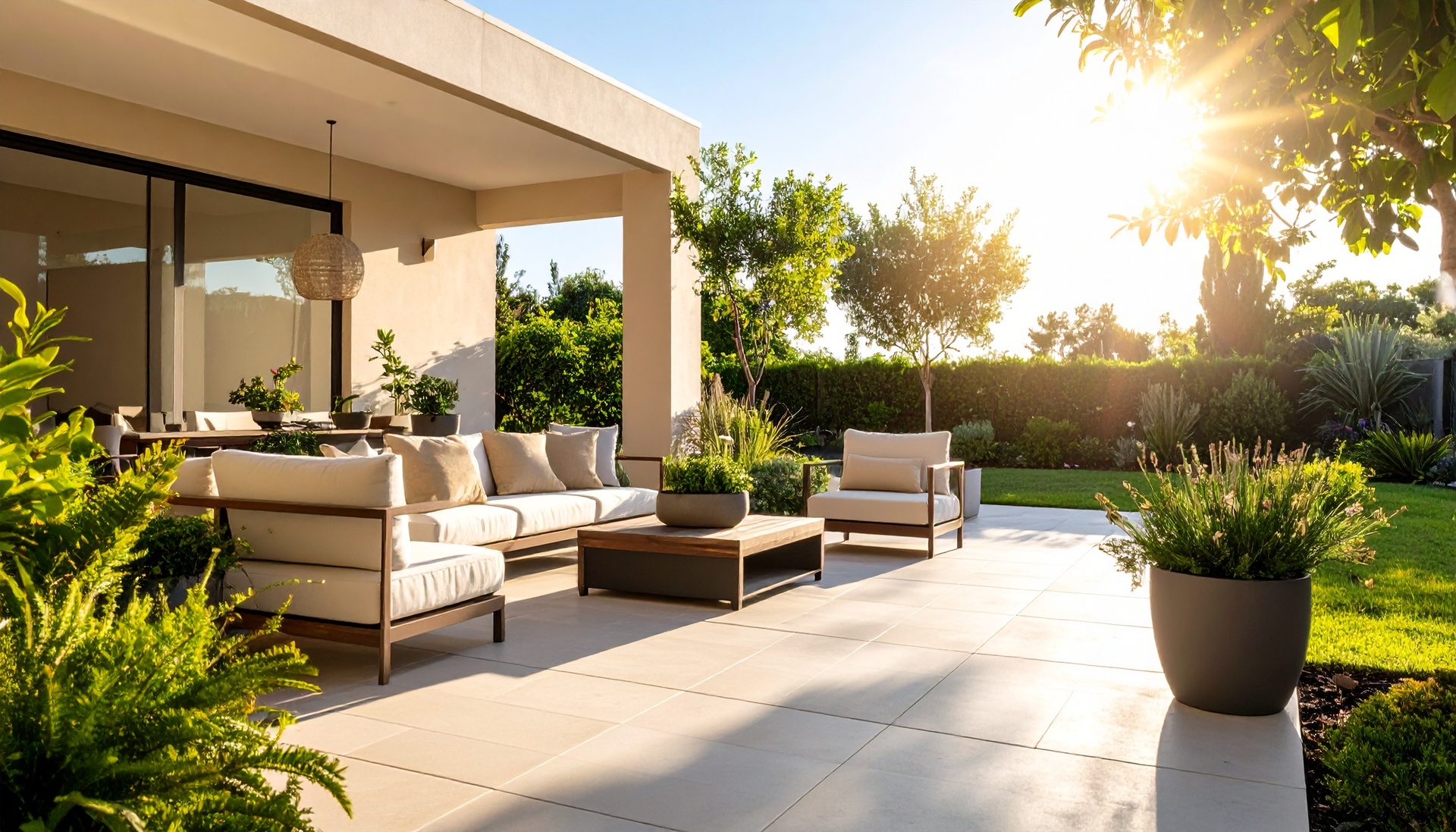
Some finishes grab attention the second a buyer steps into a room. Clean tile lines, tight spacing, and a surface that looks “high-end” even from across the space can change how the entire home feels. That’s exactly why rectified tile edges stand out so fast to today’s buyers. It’s not a trend that relies on bold color or dramatic pattern—it’s a detail that signals precision.
Rectified tile edges create a sharper, more tailored look that lines up with what modern buyers expect: sleek design, clean transitions, and finishes that feel intentional. Even buyers who don’t know the term “rectified” often notice the difference immediately, because the overall installation reads as more refined.
The difference buyers are reacting to without realizing it
Rectified tile is tile that has been mechanically finished after firing so the edges are extremely straight and consistent. Standard tile can have slight size variation because of the firing process, which often requires wider grout joints to hide those differences.
With rectified edges, the tile is more uniform—so grout joints can be tighter and lines can look straighter. In other words: less visual distraction, more structure, and a more “finished” appearance.
Crisp grout lines create a more expensive-looking surface
One of the biggest reasons rectified tile edges stand out is what happens to the grout. Narrower joints reduce the grid-like look that some buyers associate with older tile installations. The surface feels smoother and more continuous, which makes the tile look like a premium material choice rather than just a practical one.
This is especially noticeable in bright kitchens, large entryways, and open layouts where the floor is constantly in view. When the grout lines look clean and consistent, the entire room feels calmer and more upscale.
Straight edges bring a modern, tailored style
Rectified tile edges naturally support the clean-lined style buyers keep asking for—think simpler cabinetry, minimalist lighting, and streamlined hardware. Even in homes that aren’t fully modern, rectified edges give tile a “tailored” finish that feels current.
That’s why rectified options are often a smart match for tile flooring when the goal is a polished look that holds up in buyer walkthroughs and listing photos.
Large-format tile looks more “seamless” with rectified edges
Large-format tile has become a top choice in kitchens, bathrooms, and main living areas because it can make a space feel larger and less busy. But large tiles also make inconsistencies easier to spot. If edges aren’t uniform, grout joints can fluctuate slightly, and the layout can look less precise.
Rectified edges help large-format installations look smoother and more intentional. Fewer visible seams + consistent grout spacing = a surface that feels expansive and elevated.
The “new build” finish buyers expect in remodels
Many buyers compare resale homes to new builds, even if they don’t say it out loud. They notice small things like alignment, spacing, and finish quality. Rectified tile edges help a remodel feel closer to that new-build standard—especially in bathrooms and kitchens, where buyers tend to be most critical.
When tile edges look straight and the grout lines feel controlled, the entire space signals quality craftsmanship. That perception matters when buyers are deciding whether a home feels move-in ready or like it still needs work.
Cleaner layout lines highlight patterns and textures better
Tile styles have become more design-forward—stone looks, concrete looks, subtle veining, matte finishes, and textured surfaces. Rectified edges help those visuals shine because the layout looks disciplined.
Instead of grout lines fighting for attention, the tile design becomes the focal point. That’s a big part of why rectified edges work so well for statement walls, shower surrounds, and dramatic floors that buyers remember.
A small detail that suggests a higher-quality installation
Buyers may not know exactly what they’re seeing, but they often recognize when something looks “professionally done.” Rectified edges are one of those details that quietly communicate care and precision.
That’s also why it helps to understand where rectified tile makes the most impact, what grout spacing works best, and what installation considerations come with tighter joints. A helpful starting point is this tile flooring guide, especially when comparing tile types and planning a layout that looks sharp in real life—not just in a sample.
Where rectified edges make the biggest impression
Rectified tile can elevate almost any tile project, but it tends to stand out most in:
Open kitchens where the floor is always visible
Entryways and hallways where long sightlines show alignment
Shower walls and niches where clean cuts look custom
Large rooms where narrow grout lines reduce “visual noise”
Modern or transitional designs aiming for a crisp finish
The real reason it stands out: it feels intentional
Rectified tile edges stand out because they deliver something buyers are drawn to right now: visual clarity. Straight lines. Cleaner spacing. A surface that looks carefully planned. It doesn’t rely on trends that fade—it simply makes tile look more precise, more modern, and more expensive.
When buyers walk through a home, that sense of precision is exactly what reads as quality.
Dugan’s has been Mid-Missouri’s flooring and home remodeling resource since 1871, with seven generations of family dedication behind every project. For help selecting tile that looks sharp in person and performs in real life, schedule a consultation through the contact page and get design-to-installation support that keeps the process exciting and stress-free.


