

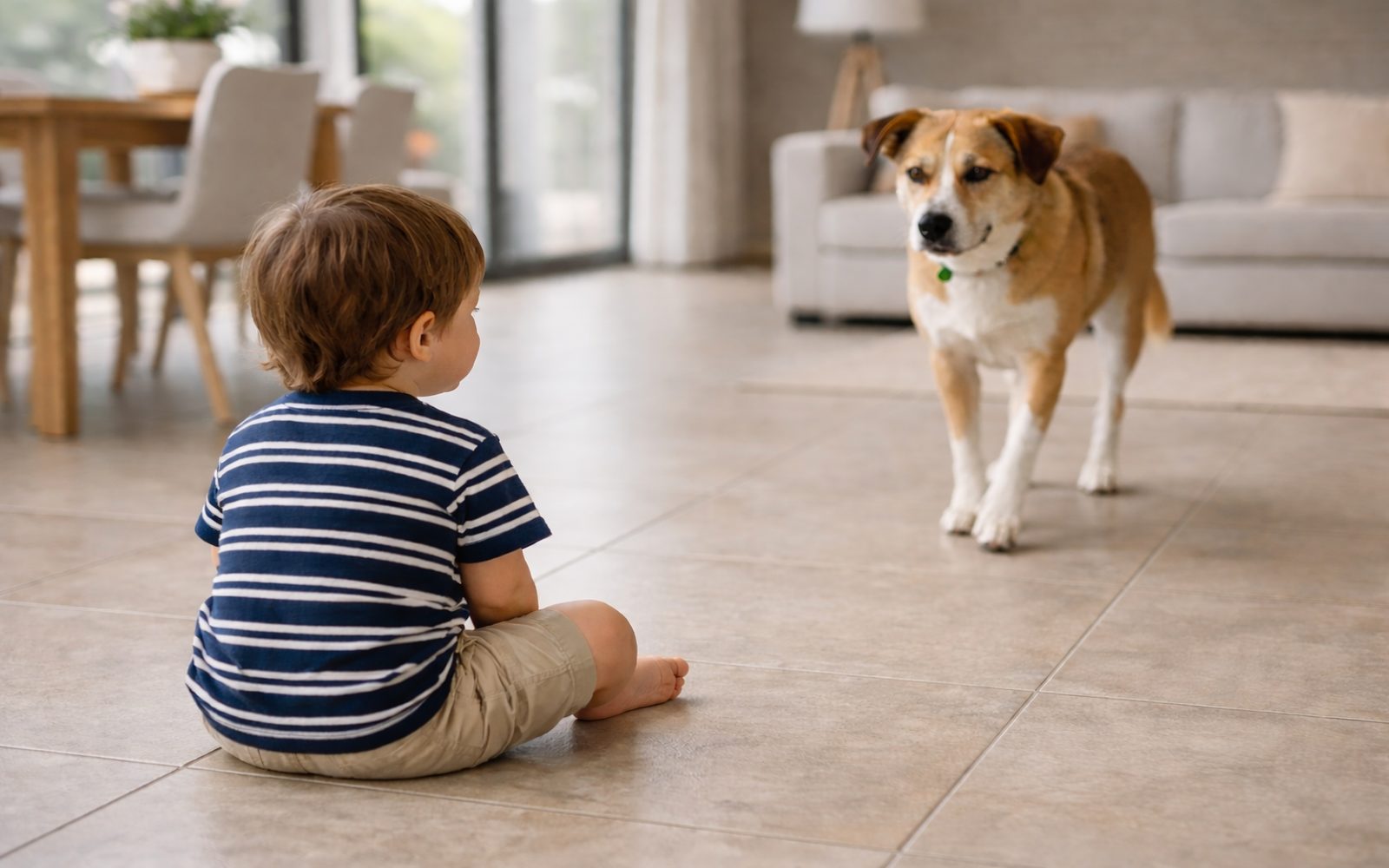
Homes with kids and pets bring joy, energy, and sometimes a little chaos — especially where flooring is concerned. Tile flooring can be a beautiful, long-lasting choice, but without understanding slip resistance, it can also become a hazard in playrooms, kitchens, and bathrooms where spills and wet paws aren’t uncommon. This guide breaks down tile flooring slip ratings in a way that makes sense for families, helping create spaces that are both stylish and safer for everyone at home.
Why slip resistance matters beyond looks
Tile is known for durability and design versatility — from sleek, modern kitchen surfaces to classic patterns in mudrooms. But looks don’t tell the whole story. In homes bustling with activity, surface traction can make the difference between a fun afternoon and a trip to the emergency room. Ceramic and porcelain tiles are common picks whether browsing the tile flooring selection for an entire home or renovating a single room, yet something as simple as the tile’s finish or texture significantly affects how slippery it feels underfoot.
Slip resistance isn’t only about preventing falls. It also influences how comfortable a space feels to live in. A kitchen with smooth, polished tiles might gleam in the light, but wet spills after dinner prep are inevitable. Choosing tile with better traction makes everyday life easier — and safer.
Understanding the science: what those ratings really mean
If tile shopping ever brought up terms like COF or R-rating, here’s a clear breakdown:
Coefficient of Friction (COF): This number estimates how much grip a tile surface provides. A higher static COF value generally indicates better slip resistance. For residential areas where kids might run around or pets might chase toys, tiles with higher COF are often safer.
R-Ratings (R9–R13): More common in commercial settings, these ratings classify how tiles perform on inclines with added traction tests. While R-ratings are helpful for industrial floor choices, COF tends to be a more relatable metric for homes.
It’s worth noting that there’s no universal “perfect” number because tile performance varies with environment — especially in places like bathrooms and entryways where water makes surfaces slick.
Surface texture: smooth vs. textured tiles
Tiles range from high-gloss, mirror-like finishes to matte and deeply textured surfaces. Here’s how texture affects traction:
Polished and glossy tiles: Elegant and reflective but usually less slip-resistant when wet. Care should be taken if these are used in areas prone to spills.
Matte finishes: Offer more grip and show fewer smudges or scratches, making them ideal for family hubs like kitchens.
Textured or patterned surfaces: Often provide the best natural traction, especially under wet conditions. They’re a strong consideration for bathrooms, laundry rooms, and entryways where water or mud from outside might make floors slick.
When choosing materials, thinking about the everyday lived experience of each room will help balance style with safety.
Room-by-room considerations for active households
Not all spaces need the same type of tile or slip performance:
Bathrooms and shower areas: These zones see frequent water exposure. A tile with a higher COF and textured surface can help prevent slips after a bath or shower.
Kitchens: Spills are inevitable. Matte or lightly textured tiles offer a compromise between looks and traction.
Entryways and mudrooms: Given wet shoes and muddy paws, a rugged, traction-focused tile reduces slip risk and is easier to maintain.
Play areas or hallways: Even dry tiles can become risky with excited kids running. Moderately textured surfaces help keep footing secure.
Pairing the right tile with proper cleaning routines and quick attention to spills greatly improves safety without compromising décor.
Maintenance habits that boost traction
Slip resistance isn’t a once-and-done feature — everyday care affects how a tile performs. For families, these habits make a difference:
Choose appropriate cleaners: Some soaps leave a film that actually reduces traction. Use cleaners recommended for tiled surfaces to maintain surface grip.
Mats and rugs: Placing non-slip mats near sinks and doors adds an extra layer of protection, helping manage wet footprints before they spread.
Regular debris removal: Sand, pet fur, and dirt can act like mini ball bearings. Frequent sweeping or vacuuming keeps traction surface clear.
Picking styles that blend safety and design
Safety doesn’t mean sacrificing style. With modern tile offerings, families can enjoy a range of designs — from natural stone looks to urban contemporary patterns — that also bring reliable performance underfoot. Whether looking at luxurious glazed tiles or dynamic porcelain options, design choices can reflect personality while still prioritizing everyday comfort and stability.
Learn more about tile types, finishes, and how to match materials with lifestyle needs on the detailed tile flooring info page.
If exploring stronger grip flooring for busy hallways or slip-resistant tiles for wet areas sounds like the next step for a safer home, reach out through the Contact Us page to get tailored advice and options that fit family life and style.


